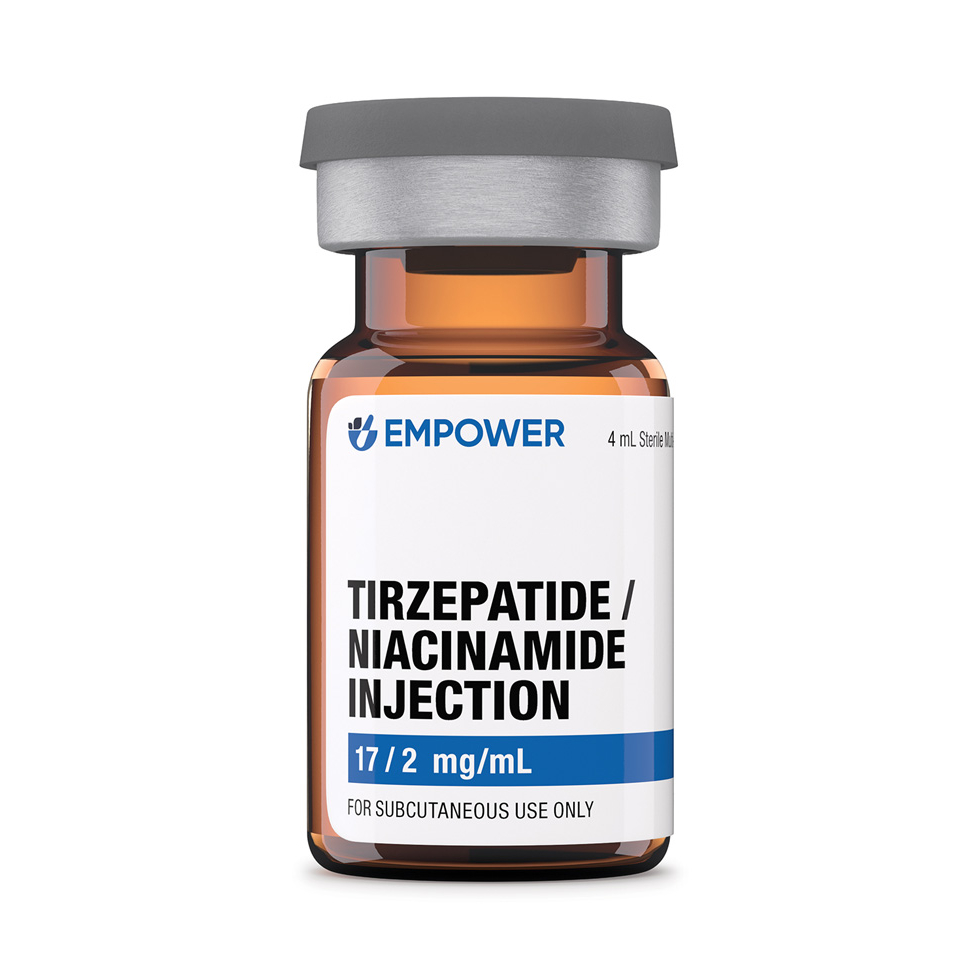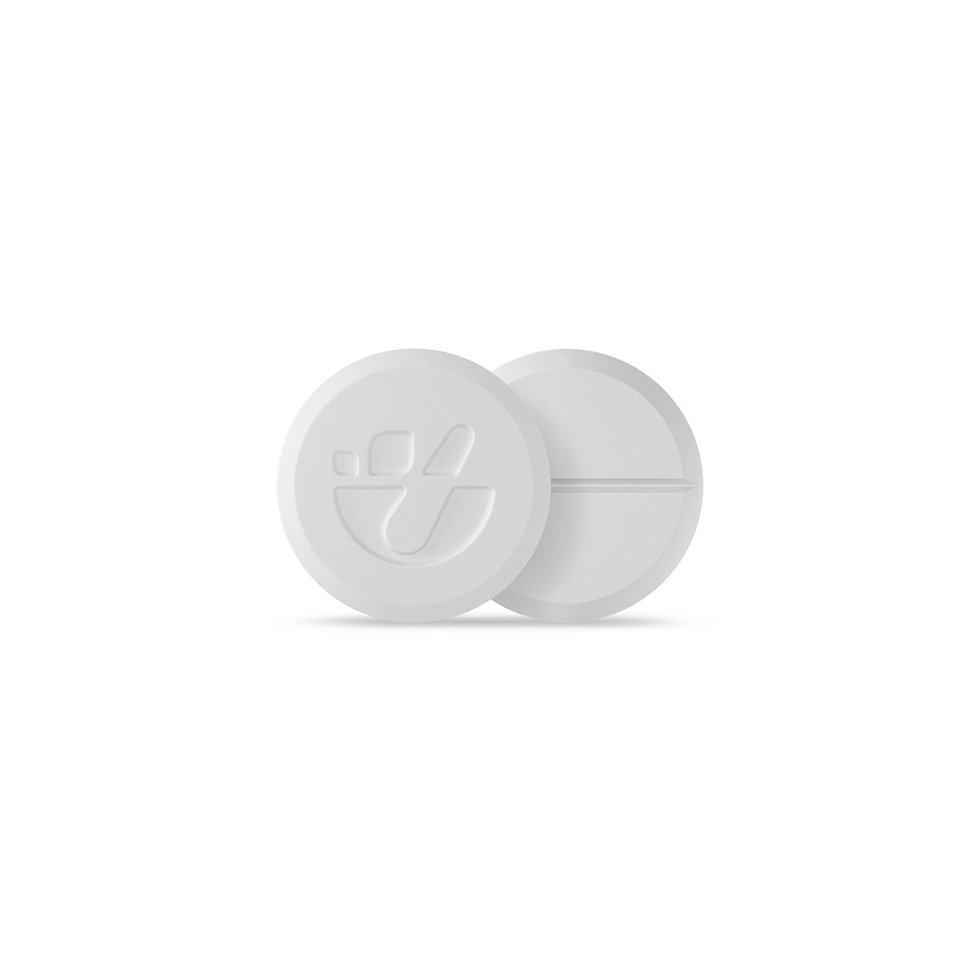

What is Tirzepatide ODT?
Tirzepatide ODT is a compounded oral disintegrating tablet formulation of tirzepatide that dissolves rapidly on the tongue without the need for water. The medication is available exclusively through the 503A compounding pharmacy, which dispenses each prescription pursuant to a patient-specific prescription following a determination by the prescribing healthcare provider that a commercially available medication is not appropriate for the patient’s treatment. Compounded medications are not FDA-approved medications, and FDA does not review compounded medications for safety or efficacy. Tirzepatide ODT has not undergone clinical trials.
Tirzepatide ODT is available via prescription from a 503A compounding pharmacy and represents a compounded medication tailored for individual patients as determined by their physician. The formulation process involves careful consideration of various factors including dosage precision, stability parameters, and patient-specific considerations that may affect treatment outcomes. Each tablet is formulated to ensure rapid disintegration while maintaining the stability and potency of the active pharmaceutical ingredient throughout its designated beyond-use date.
The oral disintegrating technology employed in this formulation ensures that the medication begins dissolving immediately upon contact with saliva, typically within seconds, making it particularly suitable for physicians to prescribe for patients who have difficulty swallowing traditional tablets or capsules.
The compounding process for Tirzepatide ODT involves sophisticated pharmaceutical techniques to ensure uniform distribution of the active ingredient throughout each tablet while maintaining the delicate balance required for rapid disintegration properties. The formulation incorporates specialized excipients that facilitate quick dissolution while protecting the stability of tirzepatide during storage and handling.
How should this medicine be used?
The dosing strategy for Tirzepatide ODT follows a carefully structured titration schedule designed to optimize therapeutic efficacy while minimizing gastrointestinal side effects that commonly occur during treatment initiation. The oral disintegrating tablet should be handled with dry hands and placed immediately on the tongue after removal from its packaging to ensure proper dissolution and absorption.
The timing of dose escalations should be individualized based on patient-specific factors including the severity of their metabolic condition, their treatment goals, and their ability to tolerate the medication’s side effects.
The administration technique for Tirzepatide ODT requires specific attention to ensure optimal drug delivery and absorption. Patients should be instructed to place the tablet on their tongue and allow it to dissolve completely, which typically occurs within thirty to sixty seconds. During this dissolution period, patients should avoid swallowing excess saliva to allow for potential buccal or sublingual absorption of the medication. After the tablet has fully dissolved, patients may swallow normally and may drink water if desired. The medication can be taken at any time of day, with or without food, though maintaining a consistent daily administration time may help establish a routine and improve adherence.
Dose modifications may be necessary in certain clinical situations, as determined by the prescribing healthcare provider. Patients experiencing persistent gastrointestinal side effects that interfere with daily activities or nutritional intake may benefit from extending the duration at each dose level beyond the minimum four weeks before attempting further escalation. Some patients may require eight to twelve weeks at a particular dose before developing adequate tolerance to advance to the next level. In cases where side effects are severe or intolerable, temporary dose reduction may be considered, with subsequent re-escalation attempted more gradually once symptoms have resolved.
Missed dose management for Tirzepatide ODT requires clear patient education to maintain therapeutic consistency while avoiding excessive drug exposure. If a dose is missed, patients should take the missed dose as soon as they remember. Double doses should never be taken to compensate for missed doses, as this could increase the risk of adverse effects without providing additional therapeutic benefit. Patients who frequently miss doses should be counseled about adherence strategies and the importance of consistent medication administration.
Special population dosing considerations may apply to certain patient groups, though specific recommendations for the oral disintegrating tablet formulation may differ from those established for injectable tirzepatide. Elderly patients, generally defined as those sixty-five years and older, do not require routine dose adjustments based solely on age, though they may be more sensitive to the medication’s effects and may benefit from slower titration schedules. The increased prevalence of comorbidities and polypharmacy in elderly patients necessitates careful monitoring during dose escalation. Renal function should be assessed before initiating therapy and monitored periodically, as age-related decline in kidney function may affect drug elimination and increase susceptibility to adverse effects.
Concurrent insulin therapy requires particular attention to dosing adjustments to prevent hypoglycemia. When initiating Tirzepatide ODT in patients already receiving insulin, the insulin dose should typically be reduced by twenty to thirty percent, with subsequent adjustments based on blood glucose monitoring results. The degree of insulin dose reduction may vary depending on the patient’s baseline glycemic control, insulin sensitivity, and the type of insulin regimen being used. Patients on intensive insulin regimens with multiple daily injections may require more complex adjustments than those on simpler basal insulin regimens.
What special precautions should I follow?
Tirzepatide ODT has not undergone clinical trials or been reviewed by FDA for safety or efficacy. Tirzepatide ODT may have similar contraindications to injectable tirzepatide, which are discussed below.
Healthcare providers must carefully consider before prescribing this medication to ensure patient safety and optimal therapeutic outcomes. The primary contraindication for tirzepatide involves patients with a personal or family history of medullary thyroid carcinoma or patients with Multiple Endocrine Neoplasia syndrome type 2. This contraindication stems from observations in rodent studies where tirzepatide and similar GLP-1 receptor agonists caused thyroid C-cell tumors at clinically relevant exposures. While the relevance of these findings to humans remains uncertain, the potential risk necessitates avoiding tirzepatide in patients with known susceptibility to these rare thyroid malignancies. Healthcare providers should thoroughly review family medical histories and consider thyroid screening in patients with suspicious symptoms or findings before initiating therapy.
Patients with known hypersensitivity to tirzepatide or any component of the oral disintegrating tablet formulation should not receive this medication. Hypersensitivity reactions may manifest as urticaria, angioedema, bronchospasm, or anaphylaxis, and any previous allergic reaction to tirzepatide or related GLP-1 receptor agonists should be considered an absolute contraindication. The excipients used in the oral disintegrating tablet formulation may differ from those in injectable preparations, so patients should be evaluated for potential sensitivities to these specific components as well. Cross-reactivity between different incretin-based therapies has been reported, suggesting that patients with allergies to other GLP-1 receptor agonists should be approached with extreme caution if tirzepatide therapy is being considered.
Severe gastrointestinal disease represents another important contraindication for tirzepatide, particularly in patients with gastroparesis or other conditions causing significant delays in gastric emptying. Since tirzepatide inherently slows gastric emptying as part of its mechanism of action, administering it to patients with pre-existing gastroparesis could potentially worsen their condition and lead to severe gastrointestinal complications. Patients with inflammatory bowel disease, severe gastroesophageal reflux disease, or other significant gastrointestinal disorders may experience exacerbation of their symptoms with tirzepatide therapy. The oral disintegrating tablet formulation may present unique considerations for patients with oral mucosal conditions or swallowing disorders that could affect proper administration or absorption of the medication.
A history of pancreatitis requires careful evaluation before considering tirzepatide therapy. While the causal relationship between incretin-based therapies and pancreatitis remains debated, postmarketing reports have documented cases of acute pancreatitis in patients receiving GLP-1 receptor agonists. Patients with a history of pancreatitis, particularly those with chronic pancreatitis or recurrent acute episodes, may be at increased risk for pancreatitis recurrence or exacerbation. Additional risk factors for pancreatitis, such as severe hypertriglyceridemia, alcoholism, or cholelithiasis, should be addressed and managed appropriately before initiating tirzepatide therapy. Regular monitoring for signs and symptoms of pancreatitis is essential, and the medication should be discontinued immediately if pancreatitis is suspected.
Pregnancy represents an absolute contraindication for tirzepatide due to potential risks to fetal development. Animal reproduction studies have shown adverse effects on embryo-fetal development, and there are no adequate and well-controlled studies in pregnant women. Women of childbearing potential should use effective contraception during treatment with tirzepatide and should discontinue the medication before planned pregnancy. The long half-life of tirzepatide means that the drug may remain in the system for several weeks after discontinuation, which should be considered when counseling patients about pregnancy planning. The oral disintegrating tablet formulation does not alter these reproductive considerations, and the same precautions apply regardless of the route of administration.
Diabetic retinopathy complications have been reported with rapid improvements in glycemic control, and patients with a history of diabetic retinopathy should be monitored carefully when initiating tirzepatide. While not an absolute contraindication, the presence of proliferative diabetic retinopathy or recent retinal hemorrhage may necessitate ophthalmologic evaluation and treatment before starting tirzepatide therapy. The potential for rapid glucose lowering with tirzepatide could theoretically worsen existing retinopathy, particularly in patients with longstanding poor glycemic control who experience sudden improvement.
What side effects can this medication cause?
Tirzepatide ODT has not undergone clinical trials or been reviewed by FDA for safety or efficacy. Tirzepatide ODT may have similar side effects to injectable tirzepatide, which are discussed below.
The side effect profile of tirzepatide encompasses a range of adverse reactions that vary in frequency and severity, with gastrointestinal effects representing the most commonly reported category of adverse events. Nausea occurs in a substantial proportion of patients initiating tirzepatide therapy, typically affecting thirty to forty percent of individuals during the initial weeks of treatment. This nausea tends to be mild to moderate in severity and often improves with continued use as tolerance develops. The sensation may be most pronounced following meals or during dose escalation periods, and some patients find that eating smaller, more frequent meals helps minimize this discomfort. The oral disintegrating tablet formulation may potentially influence the onset or severity of nausea compared to injectable forms, though individual responses vary considerably.
Vomiting represents another frequent gastrointestinal side effect, occurring in approximately fifteen to twenty percent of patients receiving tirzepatide therapy. Episodes of vomiting are most common during the initiation phase and following dose increases, with frequency and severity typically decreasing over time. Persistent vomiting that leads to dehydration or electrolyte imbalances requires medical attention and may necessitate dose reduction or temporary discontinuation of the medication. The relationship between vomiting episodes and meal timing or composition should be evaluated to identify potential triggers and develop management strategies.
Diarrhea affects approximately twelve to twenty percent of patients using tirzepatide and can range from mild loose stools to more frequent watery bowel movements. This side effect may occur intermittently throughout treatment but is most common during the first few weeks of therapy. The mechanism likely involves the medication’s effects on gastrointestinal motility and secretion patterns. Patients experiencing persistent diarrhea should be monitored for signs of dehydration and electrolyte disturbances, particularly potassium and magnesium depletion. Dietary modifications, such as avoiding high-fat foods or lactose-containing products, may help manage this side effect.
Constipation, though less common than diarrhea, affects approximately six to ten percent of patients and may alternate with periods of loose stools in some individuals. The delayed gastric emptying and altered intestinal motility associated with tirzepatide can contribute to constipation, which may be exacerbated by inadequate fluid intake or dietary fiber. Patients should be counseled about maintaining adequate hydration and fiber intake, and mild laxatives may be considered if constipation becomes problematic. The oral disintegrating tablet formulation should be accompanied by adequate fluid intake throughout the day to help prevent constipation.
Decreased appetite, while often considered a therapeutic effect for weight management, can become problematic if it leads to inadequate nutritional intake or unintended excessive weight loss. This effect occurs in approximately ten to fifteen percent of patients and may be more pronounced during the initial weeks of therapy or following dose escalations. Patients should be monitored for signs of malnutrition, particularly protein deficiency, and may benefit from nutritional counseling to ensure adequate intake of essential nutrients despite reduced appetite. The timing of tirzepatide administration relative to meals may influence the degree of appetite suppression experienced.
Injection site reactions, while not applicable to the oral disintegrating tablet formulation, may be replaced by oral mucosal irritation or taste disturbances specific to the ODT form. Some patients may experience a temporary alteration in taste perception or mild irritation of the oral mucosa where the tablet dissolves. These local effects are generally mild and transient, resolving within minutes to hours after administration. Patients with sensitive oral tissues or existing oral conditions may be more susceptible to these local effects.
Hypoglycemia risk varies significantly depending on concurrent diabetes medications and individual patient factors. When used as monotherapy in patients without diabetes, clinically significant hypoglycemia is rare, occurring in less than one percent of patients. However, when combined with insulin or sulfonylureas, the risk increases substantially, potentially affecting twenty to thirty percent of patients if dose adjustments are not made appropriately. Symptoms of hypoglycemia may include shakiness, sweating, confusion, irritability, rapid heartbeat, and hunger. Patients should be educated about recognizing and treating hypoglycemia, including having rapid-acting glucose sources readily available.
Cardiovascular side effects, though generally mild, may include transient increases in heart rate of approximately two to four beats per minute on average. Some patients may experience palpitations or awareness of their heartbeat, particularly during the initial weeks of therapy. Blood pressure effects are variable, with many patients experiencing modest reductions in blood pressure related to weight loss, while others may have no significant change. Patients with pre-existing cardiovascular conditions should be monitored more closely during tirzepatide initiation and dose adjustments.
Gallbladder-related adverse events, including cholelithiasis and cholecystitis, have been reported with tirzepatide therapy, occurring in approximately one to two percent of patients. The risk appears to be related to rapid weight loss and altered bile composition associated with GLP-1 receptor agonist therapy. Patients should be informed about the signs and symptoms of gallbladder disease, including right upper quadrant pain, particularly after fatty meals, and should seek medical evaluation if these symptoms occur.
Renal effects are primarily related to volume depletion from gastrointestinal side effects rather than direct nephrotoxicity. Acute kidney injury has been reported in patients experiencing severe vomiting or diarrhea leading to dehydration. Patients with pre-existing renal impairment or those taking medications that affect renal function may be at higher risk. Regular monitoring of renal function and maintaining adequate hydration are important preventive measures.
Pancreatitis, though rare, represents a serious potential adverse effect that has been reported with GLP-1 receptor agonist therapy. The incidence with tirzepatide appears to be less than one percent, but patients should be educated about the signs and symptoms of pancreatitis, including severe abdominal pain that may radiate to the back, often accompanied by nausea and vomiting. Any suspicion of pancreatitis warrants immediate medical evaluation and discontinuation of tirzepatide pending investigation.
Allergic reactions ranging from mild rash to severe hypersensitivity have been reported rarely with tirzepatide therapy. Symptoms may include urticaria, pruritus, facial edema, or in severe cases, anaphylaxis. The oral disintegrating tablet formulation may contain different excipients than injectable forms, potentially presenting different allergen profiles. Patients with known allergies should have their sensitivities carefully reviewed before initiating therapy.