
What is Semaglutide/Cyanocobalamin injection?
Semaglutide / Cyanocobalamin Injection is a compounded medication that combines two distinct therapeutic agents to address metabolic health and nutritional support in a single formulation. This compounded preparation is available exclusively through our 503A compounding pharmacy pursuant to a patient-specific prescription and is tailored for individual patients based on their specific needs as determined by the prescribing physician.
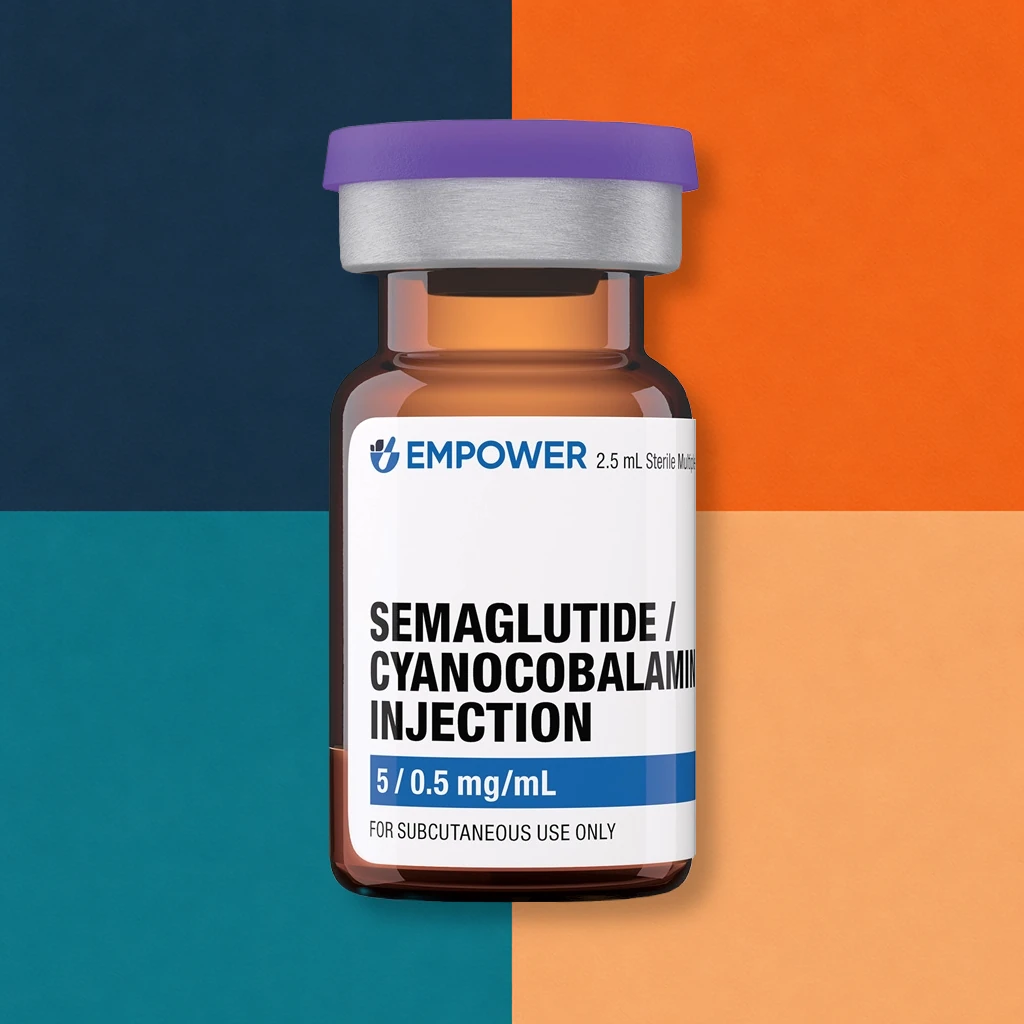
As a compounded medication tailored for individual patients, Semaglutide / Cyanocobalamin Injection is prepared in sterile injection form. The medication is formulated in various strengths to accommodate physician determinations of patient need, with concentrations ranging from 1 mg/mL to 5 mg/mL of semaglutide combined with 0.5 mg/mL of cyanocobalamin, available in both 1 mL and 2.5 mL vial sizes. This flexibility in dosing options allows healthcare providers to customize treatment regimens based on individual patient responses, tolerability, and therapeutic goals. By combining these agents in a single injection, the formulation may improve patient adherence to treatment protocols while potentially reducing the burden side effects or and multiple injections or medications, as determined by necessary by the prescribing physician.
It is essential to understand that Semaglutide / Cyanocobalamin Injection is available via patient-specific prescription from a 503A compounding pharmacy, which means it is prepared specifically for individual patients based on a physicians determination that the medication is necessary to treat the patient. This personalized approach to medication preparation allows for adjustments in concentration, volume, or other characteristics to meet specific patient needs, as determined by the prescribing physician, that may not be addressed by commercially available products. The compounding process follows quality standards and regulatory requirements to ensure the potency and sterility of the final product. Compounded medications, such as Semaglutide/Cyanocobalamin, are not FDA-approved medications, and FDA does not review compounded medications for safety or efficacy.
The injection vehicle is carefully selected to ensure compatibility with both active ingredients while maintaining appropriate pH, osmolality, and other physical characteristics necessary for subcutaneous administration. Quality control measures are implemented throughout the compounding process to verify the accuracy of ingredient measurements, sterility of the final product, and absence of particulate matter or other contaminants.
How should this medicine be used?
The dosage and administration of Semaglutide / Cyanocobalamin Injection requires careful consideration of individual patient factors, treatment goals, and tolerance to ensure optimal therapeutic outcomes while minimizing adverse effects. The compounded formulation offers flexibility in dosing regimens, as determined necessary by the patient’s prescribing physician, with various concentrations available to accommodate different patient needs and treatment protocols. The medication is administered via subcutaneous injection, typically on a weekly basis, though dosing frequency and amounts may be individualized based on patient response and tolerability.
Initial dosing of Semaglutide / Cyanocobalamin Injection typically follows a gradual titration schedule designed to minimize gastrointestinal adverse effects while allowing patients to develop tolerance to the medication. The standard approach often begins with a low dose of semaglutide, commonly 0.25 mg weekly for the first four weeks, which serves primarily as an initiation dose to allow physiological adaptation rather than providing significant therapeutic effect. This conservative starting approach helps reduce the incidence and severity of nausea, vomiting, and other gastrointestinal symptoms that are most common during the early weeks of treatment.
Following the initial four-week period, the dose is typically increased to 0.5 mg of semaglutide weekly, which represents the first therapeutic dose level for many patients. This dose should be maintained for at least four weeks to assess tolerance and initial therapeutic response before considering further dose escalation. Some patients may achieve adequate glycemic control or weight loss at this dose level, particularly those with mild metabolic dysfunction or those who are particularly sensitive to the medication’s effects. The decision to maintain or increase the dose should be based on individual treatment goals, clinical response, and tolerance to adverse effects.
For patients requiring additional therapeutic effect, the dose may be increased to 1 mg of semaglutide weekly after at least four weeks at the 0.5 mg dose. This escalation should only occur if the lower dose is well-tolerated and additional benefit is needed to achieve treatment goals. Some patients may require an even higher dose of 2 mg weekly for optimal effect, particularly for weight management indications, though this should be approached cautiously with careful monitoring for adverse effects. The maximum recommended dose varies based on the specific indication and individual patient factors, but generally does not exceed 2.5 mg weekly for most patients.
The cyanocobalamin component in the formulation is provided at a consistent concentration of 0.5 mg/mL across all available strengths, delivering a substantial dose of vitamin B12 with each injection. This dosing far exceeds the recommended dietary allowance for vitamin B12 but is appropriate for injection therapy and ensures adequate B12 status even in patients with increased requirements or absorption issues. The high dose of cyanocobalamin is generally well-tolerated due to the vitamin’s water-soluble nature and efficient excretion of excess amounts.
Administration technique is crucial for optimal absorption and minimizing injection site reactions. The medication should be injected subcutaneously into the abdomen, thigh, or upper arm, with rotation of injection sites to prevent lipodystrophy or persistent local reactions. Patients should be instructed to clean the injection site with alcohol and allow it to dry before injection. The medication should be allowed to reach room temperature before administration if stored under refrigeration, as cold injections may be more painful and could potentially affect absorption kinetics.
The timing of injection relative to meals and other activities may influence tolerance and efficacy. While Semaglutide / Cyanocobalamin Injection can be administered at any time of day with or without meals, many patients find that consistent timing helps establish a routine and may influence the pattern of any adverse effects. Some patients prefer morning administration to allow any mild nausea to resolve during the day, while others may prefer evening injection if they experience fatigue or other symptoms following administration. The key is maintaining consistent weekly intervals between doses to ensure stable drug levels.
Missed dose management requires careful consideration to maintain therapeutic efficacy while avoiding adverse effects from irregular dosing. If a dose is missed, it should be administered as soon as remembered if within five days of the scheduled dose. If more than five days have passed, the missed dose should be skipped, and the next dose should be administered on the regularly scheduled day. Patients should be counseled never to administer extra doses to make up for missed doses, as this could increase the risk of adverse effects without providing additional therapeutic benefit.
Dose adjustments may be necessary based on various clinical scenarios and patient-specific factors. Patients experiencing persistent gastrointestinal adverse effects may benefit from slower titration schedules or maintaining lower doses for longer periods before attempting escalation. Some practitioners employ intermediate dose increases, such as escalating by 0.25 mg increments rather than doubling doses, to improve tolerance in sensitive patients. Conversely, patients with minimal adverse effects and inadequate therapeutic response may undergo more rapid titration under careful medical supervision.
Special populations may require modified dosing approaches for Semaglutide / Cyanocobalamin Injection. Elderly patients may be more sensitive to the medication’s effects and may require slower titration or lower maintenance doses, particularly if they have reduced renal function or are at higher risk for dehydration from gastrointestinal adverse effects. Patients with mild to moderate renal impairment generally do not require dose adjustment, but closer monitoring may be warranted, particularly for signs of gastrointestinal adverse effects that could lead to dehydration and worsening renal function.
The duration of therapy with Semaglutide / Cyanocobalamin Injection varies considerably based on treatment indication, response, and individual patient factors. For glycemic control in type 2 diabetes, treatment is typically continued indefinitely as long as it remains effective and well-tolerated, with periodic assessment of the ongoing need for therapy. For weight management, treatment duration may depend on achievement and maintenance of weight loss goals, with some patients requiring long-term therapy to maintain weight reduction while others may successfully transition to lifestyle modifications alone after achieving target weight.
Monitoring parameters during treatment should include regular assessment of therapeutic response, adverse effects, and relevant laboratory parameters. For patients with diabetes, regular monitoring of blood glucose levels and periodic measurement of hemoglobin A1c helps assess glycemic control and guide dose adjustments. Weight should be monitored regularly for all patients, along with vital signs including blood pressure and heart rate. Patients should be educated about signs and symptoms of potential serious adverse effects, including pancreatitis, gallbladder disease, and severe hypoglycemia if receiving concurrent antidiabetic therapy.
The transition between different GLP-1 receptor agonists or to and from Semaglutide / Cyanocobalamin Injection requires careful planning to maintain therapeutic effect while minimizing adverse effects. When switching from another weekly GLP-1 receptor agonist, the first dose of Semaglutide / Cyanocobalamin Injection can typically be administered at the time the next dose of the previous medication would have been due. When switching from a daily GLP-1 receptor agonist, treatment can usually begin the day after the last dose of the daily medication. Dose equivalency between different GLP-1 receptor agonists is not straightforward, and initial dosing should follow standard titration schedules regardless of the previous medication dose.
What special precautions should I follow?
The use of Semaglutide / Cyanocobalamin Injection is contraindicated in several specific patient populations and clinical situations where the risks associated with treatment may outweigh potential benefits. Understanding these contraindications is essential for healthcare providers and patients to ensure safe and appropriate use of this compounded medication. The contraindications relate to both the semaglutide and cyanocobalamin components, and careful consideration must be given to each ingredient’s specific safety profile and potential risks.
A primary contraindication for Semaglutide / Cyanocobalamin Injection is a known hypersensitivity or allergic reaction to semaglutide, cyanocobalamin, or any of the excipients used in the formulation. Hypersensitivity reactions may manifest in various ways, ranging from local injection site reactions such as erythema, swelling, and pruritus to more severe systemic reactions including angioedema, anaphylaxis, or generalized urticaria. Patients who have experienced allergic reactions to other GLP-1 receptor agonists should be evaluated carefully before initiating treatment with this formulation, as cross-reactivity between different GLP-1 receptor agonists may occur in some individuals.
Personal or family history of medullary thyroid carcinoma represents another significant contraindication for the use of Semaglutide / Cyanocobalamin Injection. This contraindication stems from observations in rodent studies where semaglutide and other GLP-1 receptor agonists caused dose-dependent and treatment-duration-dependent thyroid C-cell tumors. Patients with Multiple Endocrine Neoplasia syndrome type 2, a genetic condition associated with increased risk of medullary thyroid carcinoma, should also avoid treatment with this medication.
The presence of diabetic retinopathy complications may require special consideration before initiating treatment with Semaglutide / Cyanocobalamin Injection. Some studies have suggested that rapid improvements in glycemic control with semaglutide may be associated with temporary worsening of diabetic retinopathy in certain patients, particularly those with pre-existing retinopathy. While this effect appears to be related to the magnitude and rapidity of glucose lowering rather than a direct effect of the medication itself, patients with a history of diabetic retinopathy should undergo careful ophthalmologic evaluation before and during treatment, and the potential risks should be weighed against the expected benefits of improved glycemic control.
Patients with a history of pancreatitis should be evaluated carefully before initiating treatment with Semaglutide / Cyanocobalamin Injection, as GLP-1 receptor agonists have been associated with acute pancreatitis in post-marketing surveillance, though a definitive causal relationship has not been established. The mechanism by which GLP-1 receptor agonists might contribute to pancreatitis risk remains unclear, but possibilities include effects on pancreatic enzyme secretion, changes in gallbladder motility leading to gallstone formation, or direct effects on pancreatic tissue. Patients with a history of chronic pancreatitis, pancreatic cancer, or other significant pancreatic disorders may not be suitable candidates for this therapy.
Severe gastrointestinal disease, particularly gastroparesis or other conditions causing significant delays in gastric emptying, may be exacerbated by treatment with Semaglutide / Cyanocobalamin Injection. Since semaglutide further slows gastric emptying as part of its mechanism of action, patients with pre-existing gastroparesis may experience worsening of symptoms including nausea, vomiting, bloating, and abdominal discomfort. Additionally, patients with inflammatory bowel disease, severe gastroesophageal reflux disease, or other significant gastrointestinal disorders should be monitored closely if treatment is initiated, as the gastrointestinal effects of semaglutide may worsen their underlying condition.
For the cyanocobalamin component, while generally considered safe with few absolute contraindications, certain conditions warrant caution. Leber’s hereditary optic neuropathy, a rare genetic disorder affecting the optic nerve, has been associated with rapid optic atrophy following cyanocobalamin administration in some cases. Patients with this condition or those with a family history suggestive of Leber’s disease should avoid cyanocobalamin-containing products or use alternative forms of vitamin B12 such as hydroxocobalamin under careful medical supervision.
Patients with severe renal impairment or end-stage renal disease requiring dialysis may need special consideration when using Semaglutide / Cyanocobalamin Injection. While semaglutide does not require dose adjustment for mild to moderate renal impairment, experience in patients with severe renal impairment is limited. The potential for gastrointestinal adverse effects, particularly nausea and vomiting, may lead to dehydration and worsening of renal function in vulnerable patients. Additionally, accumulation of cyanocobalamin metabolites may occur in severe renal impairment, though this is rarely clinically significant.
Hepatic impairment may also influence the suitability of Semaglutide / Cyanocobalamin Injection for certain patients. While semaglutide pharmacokinetics are not significantly altered in patients with hepatic impairment, the medication has not been extensively studied in patients with severe hepatic dysfunction. The metabolism and clearance of both components may be affected by significant liver disease, and patients with severe hepatic impairment should be monitored closely if treatment is deemed necessary.
Pregnancy represents a significant contraindication for Semaglutide / Cyanocobalamin Injection due to potential risks to fetal development. Animal reproduction studies with semaglutide have shown embryofetal toxicity, including structural abnormalities, at exposures below those expected at therapeutic doses in humans. Women of reproductive potential should be counseled about these risks and should use effective contraception during treatment. If pregnancy is planned, the medication should be discontinued at least two months before attempting conception due to the long washout period of semaglutide.
The use of Semaglutide / Cyanocobalamin Injection in pediatric populations has not been established, and the medication should not be used in patients under 18 years of age unless specifically justified by exceptional circumstances and under close specialist supervision. The effects of GLP-1 receptor agonists on growth and development in children and adolescents have not been fully characterized, and the long-term safety profile in pediatric populations remains unknown.
Patients with a history of suicidal ideation or attempts should be carefully evaluated before initiating treatment with Semaglutide / Cyanocobalamin Injection, as post-marketing reports have described occurrences of suicidal thoughts and behaviors in patients treated with GLP-1 receptor agonists. While a causal relationship has not been established, patients with depression or other psychiatric conditions should be monitored for changes in mood or behavior, particularly during the initial weeks of treatment or following dose adjustments.
What side effects can this medication cause?
The side effect profile of Semaglutide / Cyanocobalamin Injection encompasses a range of potential adverse reactions that vary in frequency, severity, and clinical significance. Understanding these potential side effects is essential for informed decision-making by healthcare providers and patients, as well as for appropriate monitoring and management strategies during treatment. The adverse effects associated with this compounded medication primarily reflect those observed with semaglutide, as cyanocobalamin is generally well-tolerated with minimal side effects when administered at therapeutic doses.
Gastrointestinal adverse effects represent the most commonly observed side effects of Semaglutide / Cyanocobalamin Injection, occurring in a substantial proportion of patients, particularly during the initial weeks of treatment or following dose escalations. Nausea is the most frequently reported adverse effect, potentially affecting thirty to forty percent of patients at some point during treatment, though the intensity typically diminishes over time as tolerance develops. The nausea associated with semaglutide is thought to result from both its effects on gastric emptying and its action on central nervous system centers involved in nausea and appetite regulation. Most patients experience mild to moderate nausea that can be managed through dietary modifications, such as eating smaller, more frequent meals and avoiding high-fat or spicy foods that may exacerbate symptoms.
Vomiting occurs less frequently than nausea but may affect fifteen to twenty percent of patients, particularly those who experience severe nausea or those who do not implement dietary modifications to manage gastrointestinal symptoms. Diarrhea and constipation are also commonly observed, each potentially affecting ten to fifteen percent of patients, with individual susceptibility varying based on factors such as baseline gastrointestinal function, dietary habits, and concurrent medications. The mechanism underlying these opposing gastrointestinal effects likely relates to semaglutide’s complex effects on gastrointestinal motility, with some patients experiencing accelerated intestinal transit while others experience overall slowing of gastrointestinal motility.
Abdominal pain, discomfort, or bloating may occur in approximately ten percent of patients receiving Semaglutide / Cyanocobalamin Injection. These symptoms often correlate with other gastrointestinal effects and may be particularly noticeable after meals due to delayed gastric emptying. Dyspepsia, characterized by upper abdominal discomfort, early satiety, or postprandial fullness, may affect a similar proportion of patients and can contribute to reduced caloric intake and weight loss, though it may also impact quality of life if severe or persistent.
Injection site reactions represent another category of commonly observed side effects, though these are typically mild and self-limiting. Local reactions may include erythema, pruritus, induration, or mild pain at the injection site, potentially affecting five to ten percent of patients. These reactions usually resolve within a few days and rarely require treatment discontinuation. Proper injection technique, including rotation of injection sites and allowing the medication to reach room temperature before administration, may help minimize these local reactions.
Hypoglycemia risk with Semaglutide / Cyanocobalamin Injection varies considerably depending on concurrent antidiabetic therapy. When used as monotherapy or in combination with metformin, the risk of clinically significant hypoglycemia is relatively low, typically less than five percent, due to the glucose-dependent nature of semaglutide’s insulin secretion. However, when combined with insulin or sulfonylureas, the risk of hypoglycemia increases substantially, potentially affecting twenty to thirty percent of patients if doses of concurrent medications are not appropriately adjusted. Symptoms of hypoglycemia may include tremor, palpitations, anxiety, sweating, hunger, and confusion, progressing to more severe neurological symptoms if untreated.
Cardiovascular side effects, while less common, may include changes in heart rate, with some patients experiencing a mild increase in resting heart rate of two to three beats per minute on average. This effect is thought to be mediated through GLP-1 receptors in the cardiovascular system and is generally not clinically significant, though patients with certain arrhythmias or those sensitive to heart rate changes should be monitored. Some patients may experience transient changes in blood pressure, though long-term cardiovascular outcomes studies have generally shown beneficial or neutral effects of GLP-1 receptor agonists on cardiovascular events.
Rare but potentially serious adverse effects require careful consideration and monitoring. Pancreatitis, though uncommon with an incidence of less than one percent, represents a potentially serious complication that requires immediate medical attention. Symptoms suggestive of pancreatitis include severe, persistent abdominal pain that may radiate to the back, often accompanied by nausea and vomiting. The mechanism linking GLP-1 receptor agonists to pancreatitis remains unclear, and causality has not been definitively established, but vigilance for symptoms is warranted.
Gallbladder-related adverse events, including cholelithiasis and cholecystitis, have been reported more frequently in patients receiving semaglutide compared to placebo in clinical trials, with an incidence of approximately two to three percent. The increased risk may relate to rapid weight loss, changes in gallbladder motility, or alterations in bile acid composition. Patients experiencing right upper quadrant pain, particularly if accompanied by fever or jaundice, should be evaluated for gallbladder disease.
Diabetic retinopathy complications have been observed in some patients with pre-existing retinopathy who experience rapid improvements in glycemic control with semaglutide therapy. This phenomenon, sometimes referred to as early worsening of diabetic retinopathy, appears to be related to the magnitude and speed of glucose lowering rather than a direct effect of the medication. The incidence is relatively low, affecting less than five percent of patients with pre-existing retinopathy, but regular ophthalmologic monitoring is recommended for patients with diabetes-related eye disease.
Renal effects, including acute kidney injury, have been reported rarely in post-marketing surveillance, typically in the context of severe gastrointestinal adverse effects leading to dehydration. Patients experiencing persistent vomiting or diarrhea should be monitored for signs of dehydration and renal dysfunction, with appropriate fluid replacement and potentially temporary discontinuation of the medication if necessary. Changes in renal function may also occur in patients experiencing significant weight loss, as glomerular hyperfiltration associated with obesity improves.
Allergic reactions to Semaglutide / Cyanocobalamin Injection, while rare, may range from mild local reactions to severe systemic responses. Urticaria, pruritus without rash, and angioedema have been reported in less than one percent of patients. Anaphylactic reactions are extremely rare but have been reported with GLP-1 receptor agonists. Patients experiencing signs of allergic reactions should discontinue the medication and seek appropriate medical attention.
The cyanocobalamin component of the injection is generally associated with minimal side effects when administered at therapeutic doses. Rare adverse effects specific to cyanocobalamin may include mild transient diarrhea, particularly with initial doses, and very rarely, allergic reactions in sensitive individuals. Some patients may experience a transient increase in acne or rosacea-like skin reactions, thought to be related to the effects of vitamin B12 on skin bacteria, though this is uncommon and typically mild.
Neuropsychiatric effects have been reported in post-marketing surveillance of GLP-1 receptor agonists, though the incidence and causal relationship remain unclear. Some patients may experience mood changes, including depression or anxiety, particularly during the initial weeks of treatment. Sleep disturbances, including insomnia or vivid dreams, have been reported by a small percentage of patients. Headache is reported by approximately five to ten percent of patients, though this often improves with continued treatment.
Laboratory abnormalities may be observed in some patients receiving Semaglutide / Cyanocobalamin Injection. Elevations in lipase and amylase levels are commonly seen, often without clinical signs of pancreatitis, making interpretation challenging. Increases in calcitonin levels have been observed in some patients, though the clinical significance remains uncertain. Changes in thyroid function tests are generally not observed, despite theoretical concerns based on animal studies showing thyroid C-cell effects.