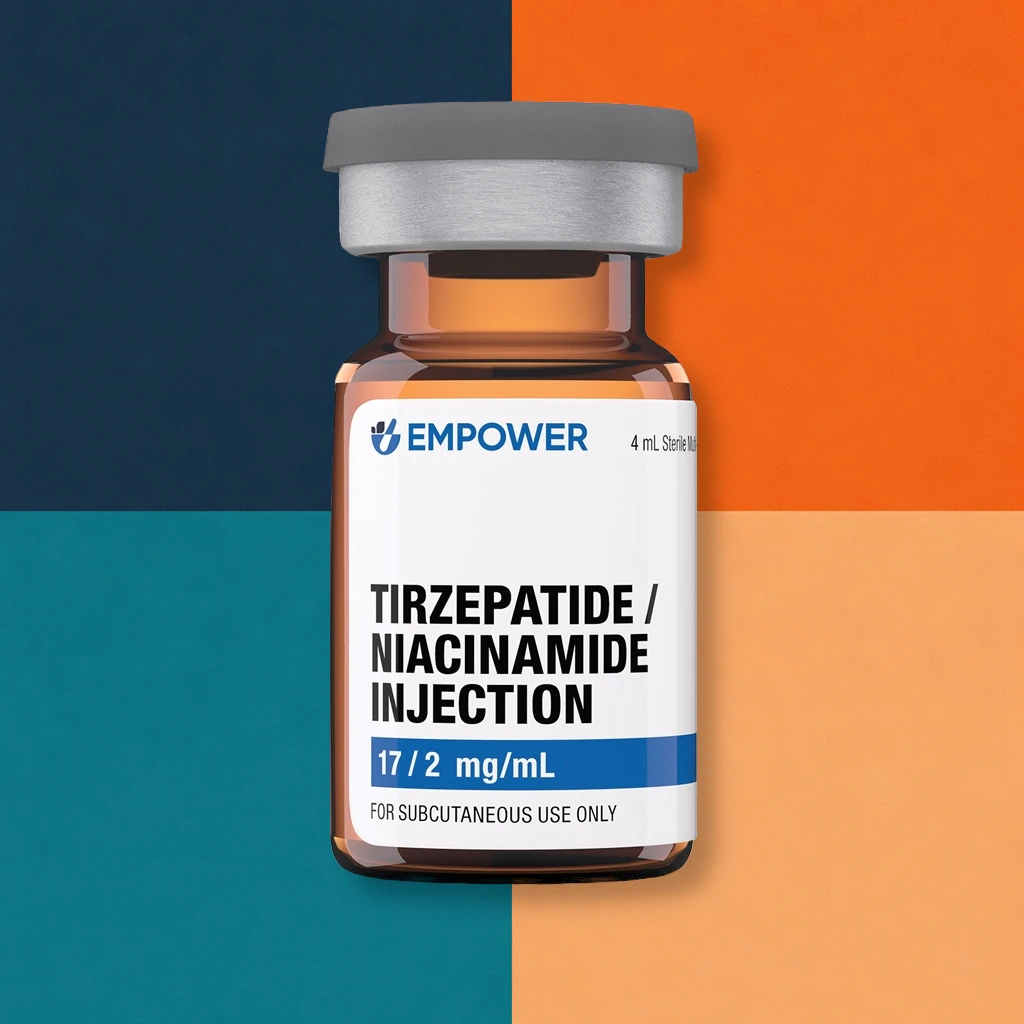

What is tirzepatide/niacinamide injection?
Tirzepatide / Niacinamide Injection is a compounded formulation that combines the dual glucose-dependent insulinotropic polypeptide and glucagon-like peptide-1 receptor agonist tirzepatide with the B-vitamin derivative niacinamide. This compounded injection is available exclusively through the 503A compounding pharmacy pursuant to a patient-specific prescription.
Physicians may prescribe this compounded medication for patients who, the physician determines, may benefit from the combined effects of both active ingredients. The compounded medication is prepared in a sterile environment according to compounding standards. The injection is available in multiple dosage strengths to accommodate physician determinations of patient need, with formulations that may include 17 mg/mL tirzepatide with 2 mg/mL niacinamide in 4 mL vials, 8 mg/mL tirzepatide with 2 mg/mL niacinamide in 2.5 mL vials, and 17 mg/mL tirzepatide with 2 mg/mL niacinamide in 2 mL vials.
Patients receiving this medication should understand that it is a compounded preparation, meaning it is specifically prepared for individual use and is not a commercially manufactured pharmaceutical product. Compounded medications are not FDA-approved medications, and FDA does not review compounded medications for safety or efficacy.
Healthcare providers typically prescribe Tirzepatide / Niacinamide Injection for patients who the physician has determined may benefit from the metabolic effects of tirzepatide while potentially gaining additional benefits from niacinamide supplementation. The formulation process ensures that both active ingredients maintain their stability and when combined in the injection vehicle.
Patients and healthcare providers should be aware that this is a compounded medication tailored for individual patients and should only be used under appropriate medical supervision. The compounded medication is prepared in accordance compounding guidelines. Regular monitoring and follow-up with prescribing healthcare providers is essential to optimize therapeutic outcomes and ensure appropriate response to treatment.
How should this medicine be used?
The dosage and administration of Tirzepatide / Niacinamide Injection requires careful individualization based on patient characteristics, treatment goals, and tolerance to therapy. The medication is available in multiple formulations to accommodate different patient needs and treatment protocols, with dosing typically following a gradual titration approach to optimize therapeutic benefits while minimizing adverse effects.
The available formulations include 17 mg/mL tirzepatide with 2 mg/mL niacinamide in 4 mL vials, 8 mg/mL tirzepatide with 2 mg/mL niacinamide in 2.5 mL vials, and 17 mg/mL tirzepatide with 2 mg/mL niacinamide in 2 mL vials. Physicians determine the most appropriate formulation based on the specific patients’ needs.
Administration should occur via subcutaneous injection, with recommended injection sites including the abdomen, thigh, or upper arm. Patients should be instructed to rotate injection sites to minimize the risk of injection site reactions and to avoid injecting into areas that are tender, bruised, red, or hard. The injection should be administered once weekly on the same day each week, though the specific time of day can be flexible based on patient preference and lifestyle factors.
Proper injection technique is crucial for optimal absorption and to minimize injection site reactions. Patients should use aseptic technique, including proper hand hygiene and skin preparation. The injection should be administered slowly and steadily, and the needle should remain in place for several seconds after injection to ensure complete delivery of the dose.
Dose adjustments may be necessary based on patient response, tolerance, and individual treatment goals, as determined by the patient’s physician. Patients experiencing significant gastrointestinal side effects may benefit from temporary dose reduction or slowing the titration schedule. Conversely, patients who are tolerating the medication well but not achieving desired therapeutic outcomes may benefit from dose increases within the recommended range.
Patients should receive comprehensive education about proper injection technique, dose timing, storage requirements, and what to do if doses are missed. They should also be instructed about signs and symptoms that warrant dose adjustment or medical evaluation, including severe gastrointestinal side effects, signs of hypoglycemia, or unusual symptoms that may indicate adverse reactions.
Healthcare providers should work closely with patients to optimize dosing based on individual response patterns, treatment goals, and tolerance. Regular follow-up appointments should include assessment of therapeutic response, monitoring for adverse effects, and evaluation of the need for dose adjustments. This collaborative approach helps ensure that patients receive the maximum benefit from therapy while minimizing the risk of adverse effects.
What special precautions should I follow?
Tirzepatide / Niacinamide Injection has several important contraindications that must be carefully considered before initiating therapy. These contraindications stem from the pharmacological properties of both active ingredients and the potential risks associated with their use in certain patient populations or medical conditions.
The most significant contraindication for this combination injection is a known hypersensitivity or allergy to tirzepatide, niacinamide, or any component of the formulation. Patients who have previously experienced allergic reactions to GLP-1 receptor agonists or GIP receptor agonists should be evaluated carefully, as cross-reactivity may occur. Allergic reactions to incretin-based therapies can range from mild local reactions to severe systemic hypersensitivity, including anaphylaxis in rare cases. Similarly, while niacinamide is generally well-tolerated, individuals with known sensitivities to B-vitamins or nicotinic acid derivatives should exercise caution.
Patients with a personal or family history of medullary thyroid carcinoma represent another critical contraindication for tirzepatide-containing formulations. Incretin receptor agonists, including tirzepatide, may potentially increase the risk of thyroid C-cell tumors based on findings in animal studies. The potential risk necessitates avoiding use in patients with this specific cancer history. Additionally, patients with Multiple Endocrine Neoplasia syndrome type 2 should not receive tirzepatide due to the theoretical increased risk of medullary thyroid carcinoma associated with this genetic condition.
Severe gastroparesis or significant gastric motility disorders constitute another important contraindication. Since tirzepatide may slow gastric emptying as part of its mechanism of action, patients with pre-existing severe gastroparesis could experience worsening of symptoms, including nausea, vomiting, and potential complications related to delayed gastric emptying. This effect could be particularly problematic in patients with diabetic gastroparesis or other conditions affecting gastric motility.
Patients with a history of severe gastrointestinal disease, particularly those with inflammatory bowel disease, severe gastroesophageal reflux disease, or history of pancreatitis, require careful evaluation before considering this therapy. While not absolute contraindications in all cases, these conditions may increase the risk of gastrointestinal adverse effects or complications. Acute pancreatitis has been reported with incretin-based therapies, and patients with a history of pancreatitis may be at increased risk for recurrence.
Pregnancy represents a significant contraindication for this combination therapy.
Patients with severe kidney disease or end-stage renal disease may not be appropriate candidates for this therapy, particularly if they have significant fluid retention or are prone to dehydration. While tirzepatide is not primarily eliminated through the kidneys, the gastrointestinal effects of the medication, including potential nausea, vomiting, and diarrhea, could lead to dehydration and electrolyte imbalances that may be particularly problematic in patients with compromised kidney function.
Severe liver disease or hepatic impairment may also represent a contraindication, particularly if associated with significant metabolic dysfunction or impaired drug metabolism. While niacinamide is generally safe in patients with liver disease, high doses or compromised hepatic function could potentially affect the metabolism and clearance of both active components.
Patients with active eating disorders, particularly those involving restrictive eating patterns or purging behaviors, may not be appropriate candidates for this therapy due to the appetite-suppressing effects of tirzepatide and the potential for exacerbating unhealthy eating behaviors. The significant weight loss effects of tirzepatide could be problematic in patients with anorexia nervosa or other conditions where further weight loss would be harmful.
Additionally, patients taking medications with significant drug interactions or those with conditions that could be exacerbated by changes in glucose levels or gastric emptying should be carefully evaluated. The decision to use this combination therapy should always involve careful consideration of the patient’s complete medical history, current medications, and individual risk factors.
What side effects can this medication cause?
Tirzepatide / Niacinamide Injection may cause various side effects ranging from common, generally mild reactions to rare but potentially serious adverse events. Understanding the side effect profile helps patients and healthcare providers make informed decisions about treatment and enables early recognition and management of adverse reactions.
The most commonly observed side effects are gastrointestinal in nature, primarily related to tirzepatide’s effects on gastric emptying and incretin receptor activation. Nausea represents the most frequently reported adverse reaction, affecting a significant proportion of patients, particularly during the initial weeks of therapy or following dose increases. This nausea is typically mild to moderate in severity and often improves as patients become accustomed to the medication. The nausea may be accompanied by decreased appetite, which, while potentially beneficial for weight management goals, can occasionally be excessive and require monitoring.
Vomiting occurs less frequently than nausea but can be problematic when it does occur, particularly if it leads to dehydration or interferes with nutrition and medication absorption. Patients experiencing persistent vomiting should be evaluated for dose adjustment or temporary discontinuation. Diarrhea is another commonly reported gastrointestinal side effect that may range from mild loose stools to more significant episodes that could lead to fluid and electrolyte imbalances if severe or prolonged.
Abdominal pain and discomfort may occur, often related to the gastric emptying effects of tirzepatide. This pain is typically described as mild to moderate and may be associated with feelings of fullness or bloating. Constipation, while less common than diarrhea, may also occur and can be particularly problematic in patients with pre-existing constipation issues.
Injection site reactions represent another category of commonly observed side effects. These may include redness, swelling, itching, or mild pain at the injection site. Most injection site reactions are mild and resolve spontaneously within a few days. Proper injection technique and site rotation can help minimize these reactions. Occasionally, patients may develop small nodules or areas of firmness at injection sites, which typically resolve over time.
Fatigue and weakness may occur, particularly during the initial treatment period as the body adjusts to the metabolic effects of the medication. Some patients report feeling tired or having reduced energy levels, which may be related to changes in eating patterns, blood glucose levels, or the direct effects of the medication on metabolism.
Headache is reported by some patients and may be related to changes in blood glucose levels, dehydration from gastrointestinal side effects, or direct pharmacological effects. Most headaches are mild and respond to standard headache management approaches, but persistent or severe headaches should be evaluated.
Dizziness may occur, particularly in patients who experience significant changes in blood glucose levels or who become dehydrated due to gastrointestinal side effects. This dizziness is usually mild and transient but can be concerning if it affects daily activities or increases fall risk.
More serious but less common side effects require immediate medical attention. Severe abdominal pain, particularly if accompanied by nausea, vomiting, and fever, may indicate pancreatitis, a rare but serious complication that has been reported with incretin-based therapies. Patients should be instructed to seek immediate medical care if they experience severe, persistent abdominal pain that may radiate to the back.
Allergic reactions, while uncommon, can range from mild skin reactions to severe systemic hypersensitivity. Mild allergic reactions may present as skin rash, itching, or hives. More severe reactions could include difficulty breathing, swelling of the face, lips, tongue, or throat, which would require immediate emergency medical treatment.
Kidney problems, while rare, may occur, particularly in patients who become severely dehydrated due to gastrointestinal side effects. Signs of kidney problems may include changes in urination patterns, swelling in the legs or feet, or unusual fatigue. Patients should maintain adequate hydration and seek medical attention if they notice concerning changes.
Gallbladder problems, including gallstones or gallbladder inflammation, have been reported with significant weight loss and may occur in patients using tirzepatide. Symptoms may include severe abdominal pain, particularly in the upper right area, nausea, vomiting, and fever.
Hypoglycemia, while less common with tirzepatide alone due to its glucose-dependent mechanism, may occur, particularly in patients taking concurrent glucose-lowering medications. Symptoms of hypoglycemia include shakiness, sweating, confusion, rapid heartbeat, and in severe cases, loss of consciousness.
Changes in vision, while uncommon, may occur due to fluctuations in blood glucose levels or fluid shifts. Most vision changes are temporary and resolve as glucose levels stabilize, but persistent vision changes should be evaluated by an eye care professional.
Niacinamide-related side effects are generally mild and uncommon at the doses used in this formulation. Occasionally, patients may experience mild gastrointestinal upset, skin flushing, or headache related to the niacinamide component, though these are typically less pronounced than with higher doses of nicotinic acid.
Some patients may experience mood changes or anxiety, which could be related to changes in eating patterns, blood glucose levels, or direct pharmacological effects. These mood changes are typically mild and may improve as patients adjust to the medication.
It is important for patients to report any unusual or concerning symptoms to their healthcare provider, as individual responses to medication can vary significantly. Early recognition and appropriate management of side effects can often allow continued treatment with dose adjustments or supportive measures rather than requiring discontinuation of therapy.